
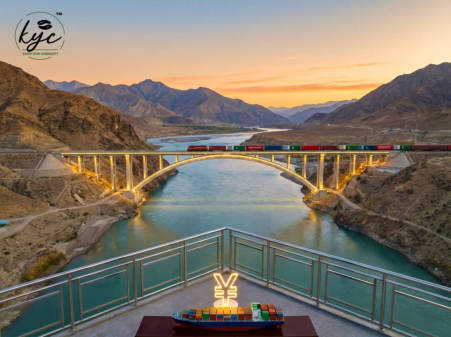
The recent surge in Pakistan’s agricultural exports to China—highlighted by a 14% increase in rice shipments to $49.37 million and a staggering 254% growth in prepared foods—marks a pivotal moment in regional trade. Beyond the numbers, it is a profound geopolitical realignment. In an era of global economic volatility, Pakistan is leveraging its "All-Weather Strategic Partnership" to turn a fragile domestic economy into a vital node in China’s food security chain. Strategic diplomacy is stabilizing its Balance of Payments (BoP) during times of extreme fiscal pressure. Pakistan’s fragile economy has long been haunted by the "dollar trap," where a reliance on USD- denominated trade creates constant pressure on foreign exchange reserves. However, the shift toward settlement in Chinese Yuan (CNY) is offering a critical safety valve. By settling trade in Yuan—supported by recent protocols and the integration of CPEC’s second phase—Pakistan can import essential machinery and technology from China while exporting value-added food products like meat (+56% YoY) without depleting its scarce dollar reserves. This de-dollarization of the agri-trade corridor is not just a policy preference; it is an existential necessity that is finally beginning to show results. The geopolitical dimension is equally striking. While global trade is increasingly weaponized, Pakistan has secured "Green Channel" clearances and nine new agricultural protocols with China in the last three years alone. This alignment has allowed Pakistan to bypass the traditional hurdles that often stymie South Asian exports. The fact that Pakistan has surpassed regional competitors in specific seafood and grain categories in 2025 is a direct result of this "preferred
partner" status. In this context, trade is the primary instrument of statecraft, ensuring that Pakistan’s agricultural surplus finds a guaranteed, high-value home in the world’s largest consumer market. However, the "Yuan Dividend" requires more than just high-level diplomacy; it demands a radical upgrade in domestic "Trade-Ready" infrastructure. The future of Pakistan’s economic stability is inextricably linked to the East. Pakistan is moving towards the "aid-dependent" mindset and embracing a "trade-integrated" model built on the Yuan and regional logistics. The success in the food sector in 2025 is a proof of concept. If they can replicate this model of technical compliance and currency diversification across other sectors, it can reverse Pakistan’s economic fragility.